Please Get In Touch
You can send us an email below

3D printing technology has brought a revolution in the traditional manufacturing process, and the automotive industry has benefitted significantly from it. The technology enables the creation of unique and customised parts for specific vehicles, a process that was once labor-intensive and costly. Rapid prototyping is also made possible with 3D printers, allowing automakers to test and refine parts before putting them into production.
Another significant advantage of using 3d printers in the automotive industry is the ability to produce lightweight and efficient parts. The technology uses advanced materials that can be combined in complex geometries, resulting in strong and lightweight components. Lightweight parts are essential for improving fuel efficiency, reducing emissions, and enhancing vehicle performance.
Moreover, 3D printing technology is promoting sustainability in the automotive industry by minimising waste and reducing environmental impact. Traditional manufacturing processes are often wasteful, with excess materials being discarded. With 3D printers, only the required amount of material is used, minimising waste and reducing the need for large inventories and storage facilities.
In conclusion, the automotive industry has seen a significant transformation with the adoption of 3D printing technology. Customised parts, improved efficiency, and sustainability are among the key benefits that the technology offers. As 3D printers continues to advance, it is exciting to see how automakers will continue to incorporate it into their manufacturing processes, driving innovation and enhancing the overall automotive experience.

3D printing technology has revolutionised the automotive industry by enabling the production of complex interior parts such as dashboard components, air vents, and door handles. These parts can be 3D printed quickly and easily using 3D printers such as fused deposition modeling (FDM) or stereolithography (SLA), which allow for intricate designs and shapes that would be difficult or impossible to produce using traditional manufacturing methods.
By using a 3D printer to create interior car parts, automakers can reduce production time, cut costs, and offer more customizable options to customers. Additionally, 3D printers can improve the durability and strength of parts, leading to a longer lifespan for the car's interior components. As 3D printing technology continues to evolve, the possibilities for producing high-quality, customised car parts are endless.
3D printing technology has expanded the potential of producing exterior car parts such as body panels, spoilers, and grilles, with a high degree of customization and personalization. With a 3D printer, it is possible to produce intricate, detailed designs in a range of materials that are sturdy, lightweight, and weather-resistant. This technology enables car manufacturers to speed up the production process and reduce costs in comparison to traditional manufacturing methods
In addition to cost and time savings, 3D printed exterior car parts can offer greater flexibility in terms of design, which allows for the creation of unique and distinctive cars. By using 3D printing to produce exterior car parts, automakers can offer an unprecedented level of customisation, improving brand appeal and enhancing the customer experience. As 3D printing technology advances, it is likely that it will play a larger role in the production of exterior car parts, enabling even more creative and innovative designs.
3D printing technology has shown tremendous promise in the manufacturing of engine components such as intake manifolds, valve covers, and cylinder heads. With 3D printing, it is possible to produce engine parts with complex geometries and intricate designs that can optimize the engine's performance. This technology allows engineers to create designs that were not feasible or too expensive using traditional manufacturing methods.
3D printing also allows for the production of engine parts with unique materials, such as metal alloys, which can provide better heat resistance and corrosion protection, thus improving the engine's overall lifespan. Additionally, 3D printing can also enhance the precision and accuracy of engine components, resulting in higher quality and more reliable parts. Overall, the use of 3D printing in engine component manufacturing presents a wealth of benefits, including cost savings, customization, and better engine performance.
3D printing technology has also shown promise in the production of suspension parts, including brackets and bushings. These components are essential in ensuring the smooth operation and stability of the suspension system, and their accurate design and manufacturing are crucial for a vehicle's performance. With a 3D printer, suspension parts can be produced with precise geometries and shapes that can improve the vehicle's handling and performance.
3D printing also allows for the use of lightweight and durable materials, such as carbon fiber and nylon, which can improve the overall efficiency and reliability of the suspension system. Furthermore, 3D printing allows for the rapid prototyping and testing of suspension parts, enabling engineers to quickly iterate and refine their designs, resulting in higher-quality, more efficient parts. Overall, 3D printing technology offers numerous benefits in the production of suspension components, including greater design flexibility, increased durability, and improved vehicle performance.
Id3D printing technology is becoming increasingly popular in the production of exhaust components, such as mufflers and tips. These parts are essential in ensuring proper exhaust flow, reducing engine noise, and improving the vehicle's overall performance. A 3D printer allows for the production of exhaust parts with complex geometries and shapes that can optimize the exhaust system's performance. By using 3D printing, engineers can create mufflers with unique internal geometries and sound-absorbing materials that can improve engine performance while reducing noise.
Additionally, 3D printing can produce exhaust tips with intricate designs and shapes that can enhance the vehicle's overall appearance. Furthermore, 3D printing can enable the production of exhaust components using lightweight, high-strength materials such as titanium and aluminum, which can improve the exhaust system's overall efficiency and durability. Overall, the use of 3D printing technology in the production of exhaust components offers numerous benefits, including better engine performance, noise reduction, and enhanced visual appeal.
The production of wheels and rims is another area where 3D printing technology has the potential to revolutionize the automotive industry.With a 3D printer, it is possible to create wheels and rims with unique designs and intricate patterns that would be impossible to manufacture using traditional methods. The use of 3D printing also allows for the production of wheels and rims with lightweight materials, such as carbon fiber, which can enhance the vehicle's performance by reducing its overall weight.
3D printing technology also enables the production of one-off or low-volume batches of customized wheels and rims, which can be designed to meet the specific needs and preferences of customers. Additionally, 3D printing can reduce the time and cost of developing and producing new wheel and rim designs, as the technology enables rapid prototyping and testing. Overall, the use of 3D printing technology in the production of wheels and rims offers numerous benefits, including greater design flexibility, improved performance, and faster production times.
The use of 3D printing technology in the production of brakes and brake calipers has the potential to transform the automotive industry. With a 3D printer it is possible to create brake components with complex geometries and shapes that can optimize their performance. For instance, 3D printing can produce brake calipers with a lightweight, high-strength structure that can enhance braking performance while reducing weight. Furthermore, 3D printing allows for the production of customized brake components to fit specific vehicles and driving conditions.
3D printing also allows for the use of materials that can withstand high temperatures and harsh environments, such as high-performance polymers and metal alloys. This technology can also enable the rapid prototyping and testing of brake components, which can significantly reduce the time and cost of developing new brake designs. In conclusion, the use of 3D printing technology in the production of brakes and brake calipers offers numerous benefits, including improved performance, faster development times, and greater design flexibility.
The production of fuel system components such as fuel injectors and fuel pumps is another area where 3D printing technology is transforming the automotive industry. With a 3D printer, it is possible to create fuel system components with complex internal geometries and intricate channels that can optimize fuel delivery and improve engine performance. 3D printing also allows for the production of fuel system components using lightweight materials, which can improve fuel efficiency and reduce the overall weight of the vehicle.
Additionally, 3D printing can enable the production of low-volume batches of customized fuel system components, which can be tailored to meet the specific needs and requirements of customers. The use of 3D printing technology also reduces the time and cost of developing and testing new fuel system designs, as the technology enables rapid prototyping and testing. Overall, the use of 3D printing technology in the production of fuel system components offers numerous benefits, including improved engine performance, enhanced fuel efficiency, and greater design flexibility.
The use of 3D printing technology in the production of transmission components such as gears and housings has the potential to revolutionize the automotive industry. With a 3D printer, it is possible to create transmission components with complex geometries and internal structures that can optimize their performance. For instance, 3D printing can produce gears with intricate tooth profiles and improved surface finishes, which can enhance their durability and reduce noise and vibration.
Additionally, 3D printing can enable the production of transmission components using lightweight materials such as aluminum, which can improve fuel efficiency and reduce the overall weight of the vehicle.3D printing also allows for the production of low-volume batches of customized transmission components, which can be designed to meet the specific needs and requirements of customers. Furthermore, 3D printing can significantly reduce the time and cost of developing and testing new transmission designs, as the technology enables rapid prototyping and testing.
In conclusion, the use of 3D printing technology in the production of transmission components offers numerous benefits, including improved performance, enhanced fuel efficiency, and greater design flexibility.
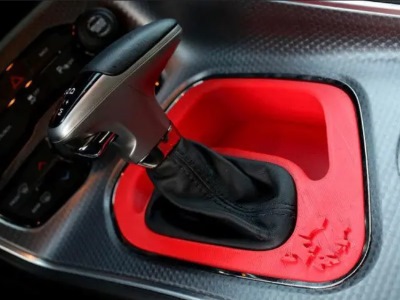
3D Printed Part
Interior parts
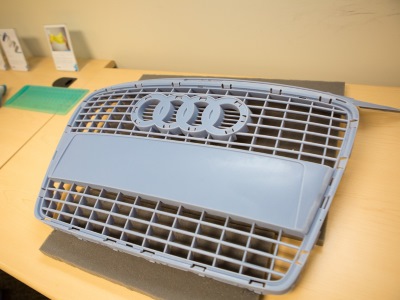
3D Printed Part
Exterior Parts
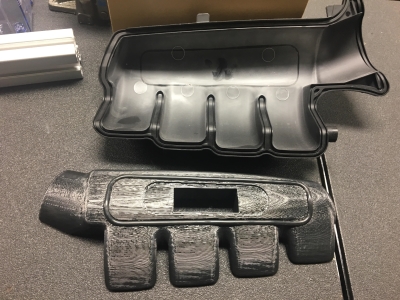
3D Printed Part
Engine components
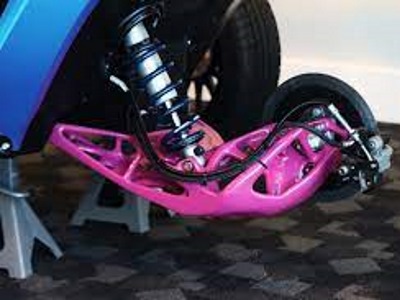
3D Printed Part
Suspension Parts
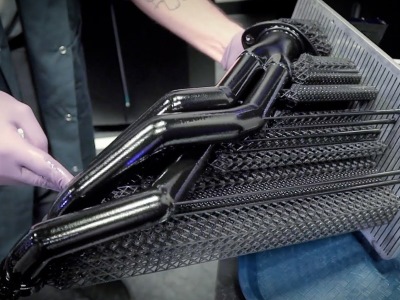
3D Printed Part
Exhaust Components
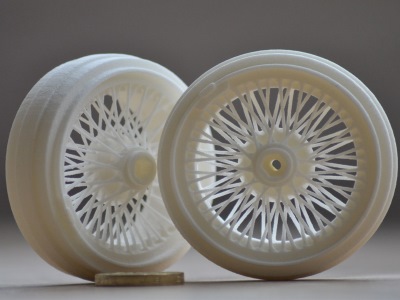
3D Printed Part
Wheels and Rims
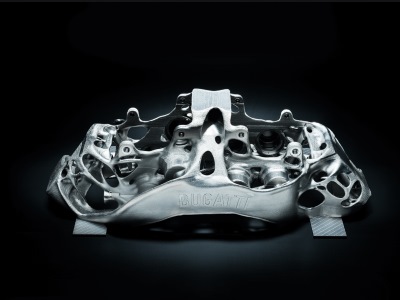
3D Printed Part
Brakes and Brake Calipers
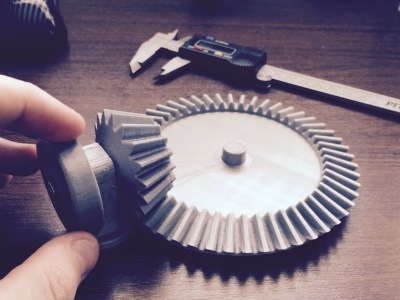
3D Printed Part
Transmission Components
Improved Design Flexibility: 3D printing enables the production of complex shapes and designs that may not be possible using traditional manufacturing techniques. This enables engineers to create lightweight, high-performance parts with optimized designs, resulting in improved performance and fuel efficiency.
Reduced Production Costs: 3D printing can significantly reduce the costs associated with producing parts and components. This is because 3D printing eliminates the need for expensive tooling and molds, and enables the production of low-volume batches of customized parts at a lower cost.
Faster Prototyping and Testing: With 3D printing, designers and engineers can rapidly produce prototypes and test parts without the need for extensive machining or tooling. This allows for faster iteration and testing, resulting in faster time-to-market and reduced development costs.
Enhanced Customization: 3D printing enables the production of customized parts and components that can be tailored to specific customer requirements. This enables greater personalisation and differentiation in the market, resulting in increased customer satisfaction and loyalty.
Improved Sustainability: 3D printing can significantly reduce waste and energy consumption in the manufacturing process, resulting in a more sustainable production process. Additionally, 3D printing enables the use of lightweight materials, which can improve fuel efficiency and reduce carbon emissions over the life of the vehicle.

Several car companies have integrated 3D printing technology in their manufacturing process to optimise production, reduce costs, and increase efficiency. By using 3D printing services, car manufacturers can quickly produce prototype parts, custom components, and even produce small batches of finished parts. This technology has also enabled them to design more intricate and precise parts, which can improve the performance and quality of the finished product.
Additionally, 3D printing allows for the use of lightweight materials and the reduction of waste, which is important for creating sustainable manufacturing practices. By implementing 3D printing technology in their manufacturing process, car companies can bring innovative designs and concepts to life, test new ideas quickly, and develop new products faster. As the technology continues to evolve and mature, it is likely that more car manufacturers will adopt 3D printing to improve their production processes and offer new and exciting products to their customers.

Car Manufacturer
Audi
Car Manufacturer
BMW

Car Manufacturer
Bugatti

Car Manufacturer
Ford

Car Manufacturer
GM

Car Manufacturer
Lamborghini

Car Manufacturer
McLaren
Car Manufacturer
Porsche
You can send us an email below
Operating Hours
Monday - Friday: 24 Hours
Saturday: 24 Hours
Sunday: 24 Hours
Whatsapp: 24 Hours